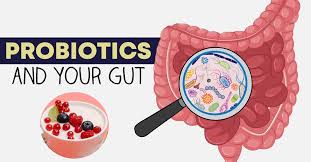
Gut health is no longer limited to research discussions. It has become part of everyday conversations around immunity, digestion, and overall wellness.
Probiotics are often viewed as a quick solution, whether through a simple bowl of curd at home or high-dose supplements from the pharmacy.
While their benefits are well supported, understanding how to use them correctly is equally important. In nutrition, outcomes depend on balance, consistency, and choosing the right approach for the right individual.
What Are Probiotics?
According to the World Health Organization (WHO):
“Probiotics are live microorganisms which, when administered in adequate amounts, confer a health benefit on the host.”
The phrase “adequate amounts” is critical. Probiotics are beneficial bacteria, and sometimes yeast, that support gut health when consumed in appropriate quantities.
Some commonly studied strains include:
- Lactobacillus rhamnosus
- Lactobacillus acidophilus
- Bifidobacterium bifidum
- Saccharomyces boulardii
Each strain has specific functions. Probiotics are strain-specific and condition-specific.
Benefits of Probiotics
1. Improved Digestion
A balanced gut microbiota supports:
- Better digestion
- Reduced bloating and gas
- Improved bowel regularity
- Enhanced nutrient absorption
When the gut ecosystem remains stable, digestive comfort improves.
2. Stronger Immunity
Nearly 70% of immune cells are associated with the gut. Probiotics help:
- Strengthen mucosal immunity
- Reduce the frequency of common infections
- Support recovery during illness
They are particularly relevant for children, older adults, and individuals prone to recurrent infections.
3. Support During and After Antibiotics
Antibiotics disrupt the balance of gut bacteria. Certain strains such as Lactobacillus rhamnosus and Saccharomyces boulardii are commonly used to:
- Reduce antibiotic-associated diarrhea
- Help restore microbial balance
4. Role in Clinical Nutrition
Probiotics are used as supportive therapy in:
- Irritable Bowel Syndrome (IBS)
- Inflammatory Bowel Disease (IBD)
- Lactose intolerance
- Infectious diarrhea
- Certain oncology settings
- Select critical care situations
They complement medical therapy. They do not replace it.
5. Metabolic and Anti-Inflammatory Support
Emerging evidence suggests probiotics may:
- Improve lipid profiles
- Support glycemic control
- Reduce gut-related inflammation
This increases their relevance in lifestyle-related disorders.
How to Include Probiotics in Daily Food
Supplementation is not always necessary.
Simple Daily Sources
- Curd or yogurt
- Buttermilk

Fermented Foods
- Kimchi
- Fermented kanji
- Naturally fermented batters such as dosa and idli

Practical Daily Approach
- One bowl, approximately 150 to 200 g, of curd daily
- Fermented foods three to four times per week
- Combine with prebiotic foods such as banana, garlic, onion, and oats
- Focus on consistency rather than high doses
Can You Take Too Many Probiotics?
Excessive and unnecessary high-dose supplementation can cause discomfort in some individuals. Appropriate dosing and context matter.
Final Thoughts
Probiotics are supportive tools for gut health. Their effectiveness depends on appropriate strain selection, dosage, and consistency.
In everyday nutrition, emphasis should remain on simple and sustainable dietary habits: including fermented foods, ensuring adequate fiber intake, and personalizing choices based on individual needs.
Gut health develops gradually. It depends on sustained dietary patterns and measured choices.