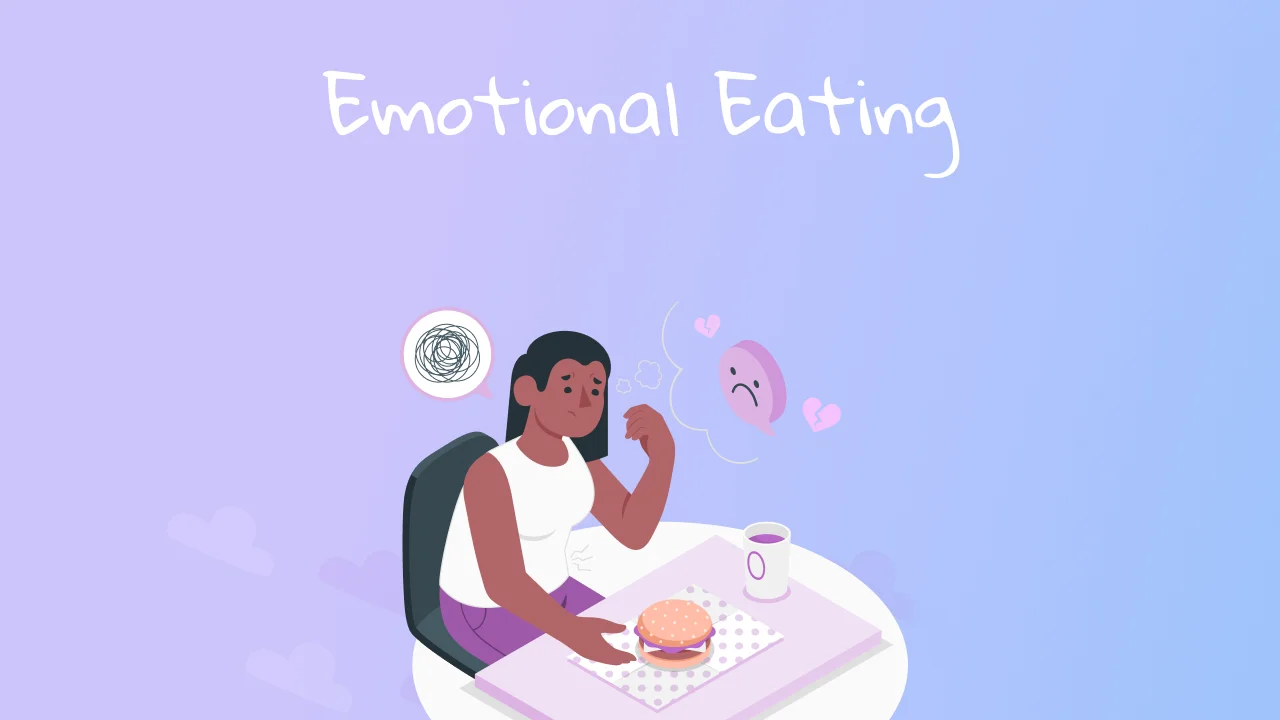
As a nutritionist, I hear this often:
“I have no willpower when it comes to food.”
This experience reflects biological regulation rather than personal control, with eating behavior driven by coordinated signaling between the nervous and endocrine systems that automatically regulate hunger, making food choices often feel reactive.
Two systems regulate appetite:
- Homeostatic hunger (physical hunger)
- Hedonic hunger (emotional hunger)
Physical Hunger: The Homeostatic System

Physical Hunger
Physical hunger maintains energy balance. When blood sugar drops or the stomach remains empty for several hours, the body signals that fuel is required.
Two hormones play a central role:
- Ghrelin signals the brain to initiate eating
- Leptin signals that energy stores are sufficient
Skipping meals during long lectures or busy days often triggers this system. Refined carbohydrates raise blood sugar rapidly and are followed by a sharp decline. Hunger commonly returns within two to three hours.
Meals that combine protein, fiber, and fats slow digestion, stabilize blood sugar, and support balanced ghrelin and leptin signaling.
Emotional Hunger: The Hedonic System
Emotional hunger originates in the brain’s reward system. Stress activates cortisol release. Elevated cortisol reduces dopamine activity. Lower dopamine increases motivation for quick reward, which often appears as cravings.

Emotional Hunger
This pattern commonly shows up during exam periods, late night studying, or after prolonged mental fatigue.
Foods high in sugar, fat, or salt activate reward pathways efficiently, which explains their appeal during stress.
Certain cravings are also associated with nutrient status:
- Chocolate cravings are often linked with magnesium depletion
- Salty food cravings are associated with electrolyte imbalance or stress response
These associations contribute to pattern recognition rather than diagnosis.
Addressing Cravings: The HALT Check
Emotional hunger responds to context rather than energy need. A brief self check can clarify the signal before eating.
- Hungry: More than four hours since the last meal suggests physical hunger. Choose protein plus carbohydrate.
- Anxious or angry: Stress elevates cortisol and appetite. Controlled breathing can reduce this response.
- Lonely: Quiet or isolation can prompt snacking. Social contact or background stimulation can help.
- Tired: Fatigue often mimics hunger. Rest, hydration, or a short break can resolve it.
Takeaway
Hunger signals reflect regulatory systems rather than personal discipline. Food choices emerge from physiology and emotional state working together.
With practice, this awareness improves meal timing and reduces reactive snacking. Eating decisions begin to feel more deliberate and less automatic.